
I work with homeless families. I walk with parents trying to stay sober while raising children. I sit with men and women who are learning, often for the first time, how to live inside structure without resentment. I help families rebuild daily rhythms that addiction, chaos, and trauma once dissolved. Bedtimes. Chores. Accountability. Honesty. Work. Church. Apologies. Follow-through.
And every afternoon, as those families return from school, work, and appointments, they pass the same stretch of sidewalk.
Across the street, tents line the block. People shout through the night. Fights break out. Drugs are bought and sold openly. Some walk around naked. Others scream at voices only they can hear. Trash piles up for weeks until the city clears it, only for it to return. It is not rare. It is not exaggerated. It is not a talking point. It is simply the daily environment these families must navigate.
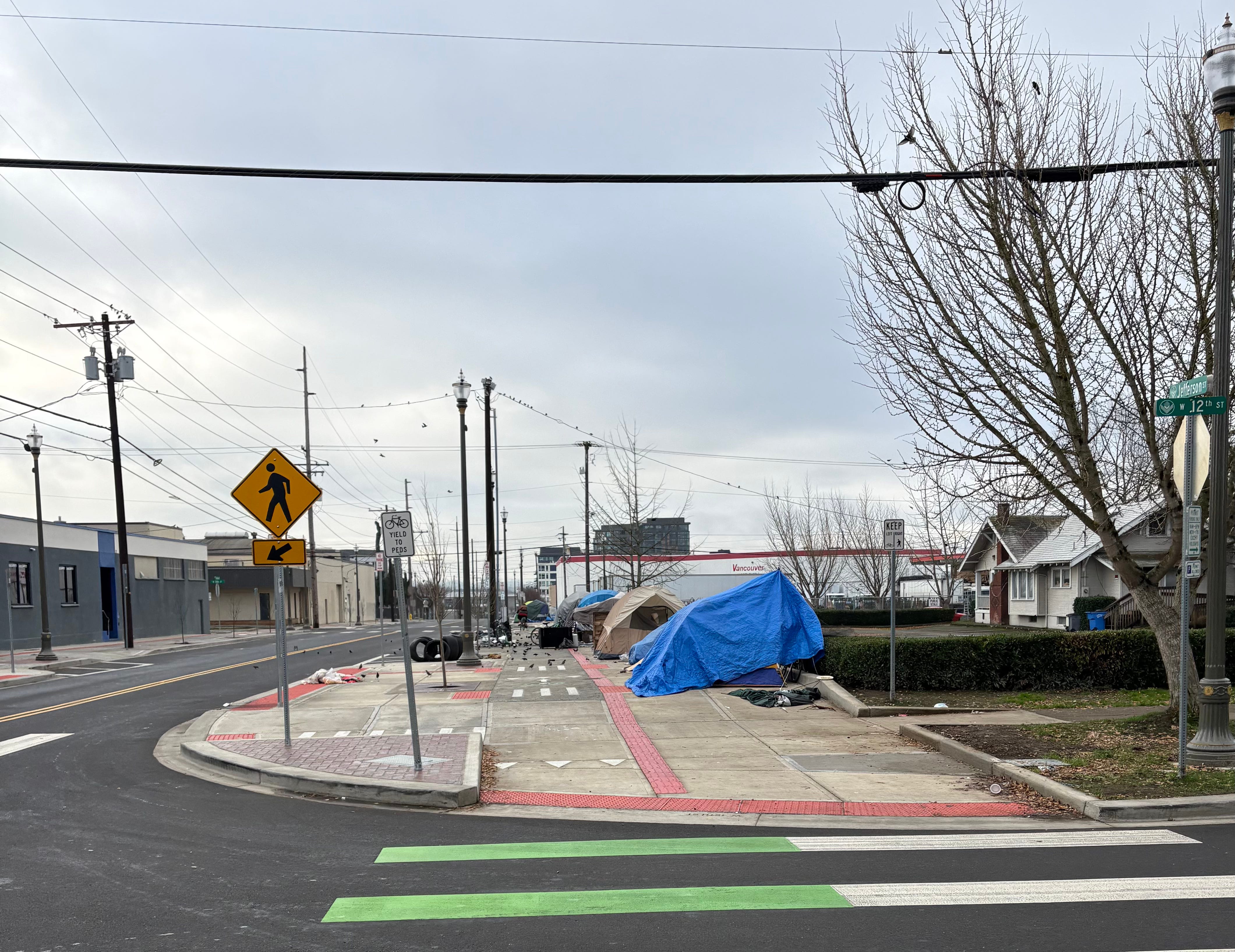
This matters because the people I serve are not abstract. They are parents holding the fragile early days of sobriety together. They are children who have already seen too much. And for them, the difference between life and death is not abstract. The difference is real and daily.
What complicates this further is that ‘help’ is everywhere.
On that same block, there is a Share House serving three meals a day. There is another nonprofit offering daily made-to-order lunches and operating a food pantry. Food is not scarce. Hunger is not the crisis on that street.
And yet, churches continue to show up with sack lunches. Pizza parties. Outdoor crusades. Well-intentioned gestures driven by the simple conviction that “Jesus told us to feed the poor.”
I don’t doubt the sincerity. I don’t doubt the compassion. But sincerity is not the same as wisdom. And compassion without courage often becomes something else entirely.
The hard truth is this. Much of what passes for charity today is not aimed at restoring people to life. It is aimed at relieving the helper’s discomfort.
Handing out food is immediate. It is visible. It feels merciful. It avoids conflict. It avoids boundaries. It avoids the far harder work of asking what actually helps a human being move toward stability, dignity, and responsibility.
But when help ignores context, it doesn’t remain neutral. It reshapes the environment. And often, it reshapes it in ways that harm the most vulnerable people of all.
Here is what I mean.
The men and women living in tents on that block are suffering from a lack of calories. Many are suffering from addiction, untreated mental illness, criminal entanglement, and profound relational breakdown. Treating them exclusively as victims of circumstance while removing expectations does not heal those wounds. It freezes them in place.
Meanwhile, the families inside the shelter are actively choosing a harder road. They are choosing sobriety over numbness. Structure over chaos. Accountability over excuses. And the cost of that choice is high.
Every day, they are mocked by the life they left behind. Tempted openly. Shouted at. Triggered. Their children watch it all. For them, this is not a debate about policy. It is a matter of life and death.
This is the quiet injustice of much modern compassion. Those who refuse accountability are insulated from consequences, while those who embrace responsibility bear the greatest burden.
We have built a moral framework where demanding nothing is considered kindness, and asking anything is considered cruelty. But history tells a different story.
For most of human civilization, charity was not detached from moral formation. It was relational. Local. Expectant. The poor were helped, but they were also called into responsibility. Not because they were unworthy, but because they were human.
It was only in the last century that compassion became professionalized, abstracted, and detached from consequence. Help became a transaction rather than a relationship. Needs were met without addressing the habits, structures, and choices that produced those needs in the first place.
The result is what we see now. Entire systems are organized around alleviating symptoms while leaving root causes untouched. Cities are filled with services, food, and funding, yet are increasingly unable to restore people to functional lives.
This is not because we care too little. It is because we have confused kindness with indulgence.
As a chaplain, I see the cost of that confusion every day. I see families who want a new life being forced to live next to open-air drug markets in the name of tolerance. I see churches pour energy into visible acts of mercy while bypassing the slow, unglamorous work of discipleship, discipline, and long-term presence. I see people praised for their “heart for the poor” while never being asked whether their help actually makes anyone less poor.
Jesus did tell us to feed the hungry. He also told people to repent. To leave old lives behind. To take up their cross. He never confused mercy with the suspension of truth. He healed, forgave, and restored. But He did not subsidize self-destruction.
The gospel does not treat people as fragile objects to be managed. It treats them as moral agents capable of change. That is not harsh. That is hopeful.
Real love risks disappointment. It risks being misunderstood. It risks being called unkind by a culture that has forgotten what kindness is for.
If we truly care about the poor in our cities, we must be willing to ask harder questions. Not just “How do we help?” but “Who does this help?” Not just “Does this feel compassionate?” but “Does this lead anyone toward life?”
Sometimes the most loving thing we can do is stop doing the thing that makes us feel good and start doing the thing that actually costs us something.
It costs time to walk with someone through sobriety. It costs patience to enforce boundaries. It costs courage to say no. It costs humility to admit that good intentions can still cause harm. But that is the cost of real compassion.
The families I serve do not need more pizza. They need protection. They need order. They need a community that reinforces their hard-won choices instead of undermining them. They need a moral ecology that rewards responsibility rather than punishing it.
Charity that ignores those realities may soothe our conscience, but it does not heal the poor. And justice that refuses accountability is not justice at all.
If we want cities that are humane, communities that are safe, and lives that are restored, we must recover a compassion with backbone. A mercy that tells the truth. A love that does not confuse enabling with care.
That kind of compassion is harder. It is quieter. It rarely photographs well. But it saves lives. And from where I stand, on the sidewalk between the shelter and the tents, I’m desperate for our city to take that seriously.